 Zen
ZenBest Hypnobirthing App: Which One Actually Helps with Birth Anxiety
Finding the best hypnobirthing app when you are anxious about birth. An honest look at what works, what does not, and which app helps you feel genuinely calmer.
200,000+ moms • ORCHA Certified • Free on iOS & Android
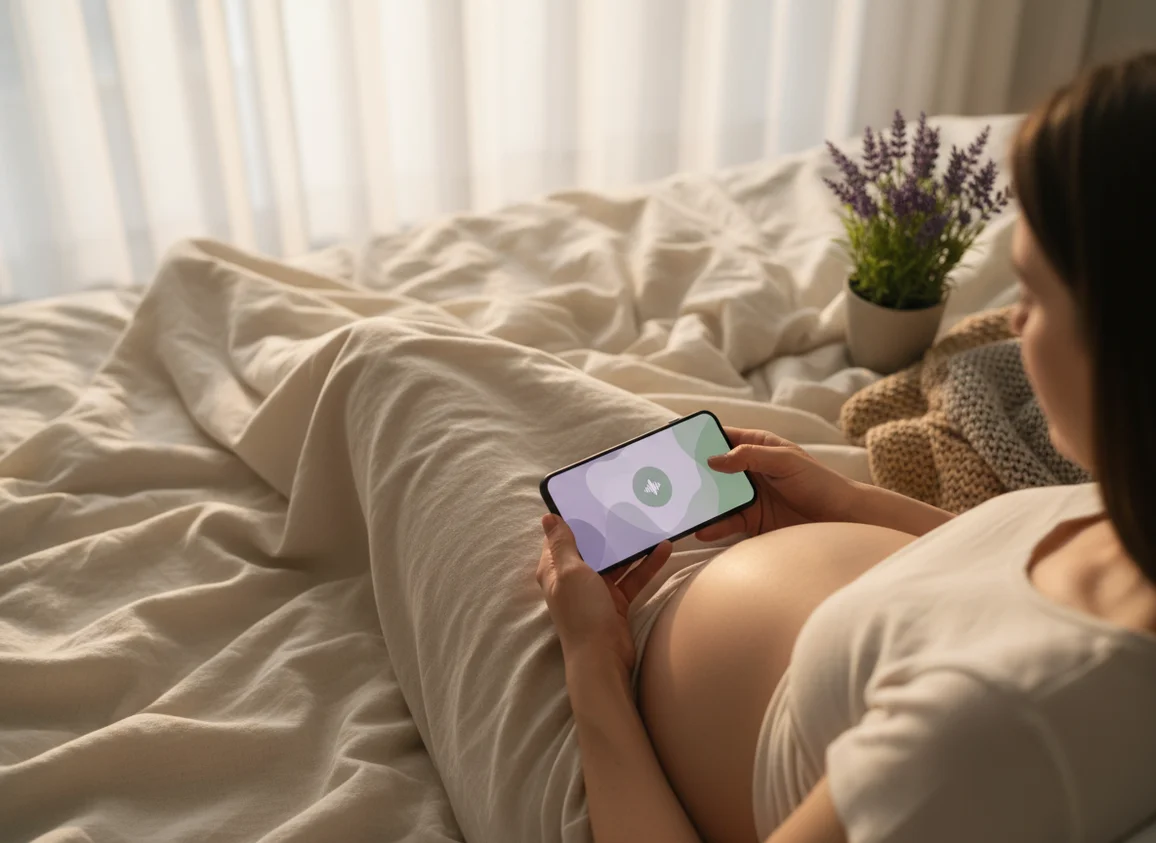
Hypnobirthing App Benefits for Birth Anxiety
A good hypnobirthing app helps with birth anxiety by giving your nervous system a practiced route back to safety. Instead of trying to argue with every scary thought, you follow a voice, slow your breathing, soften your body, and repeat cues until calm becomes more familiar.
Birth fear often shows up physically: a tight chest, shallow breaths, jaw tension, insomnia, or a feeling that something bad is about to happen. Hypnobirthing-style audio can support relaxation, body awareness, visualization, and confidence building. Studies on hypnosis for childbirth are mixed, but some research suggests it may reduce fear and improve coping for some people; a Cochrane review on hypnosis for childbirth notes that outcomes vary by study and setting. This is not medical advice. Consult your healthcare provider if anxiety feels intense, persistent, or connected to trauma.
How Pregnancy Hypnosis and Meditation Works
Pregnancy hypnosis and meditation work by pairing focused attention with relaxation cues, so your brain and body learn a calmer response to stress. The goal is not to be unconscious or detached; it is to stay present while reducing fear-driven tension.
Most hypnobirthing sessions use a predictable sequence: settle the breath, relax the muscles, introduce a visualization, then repeat affirming language about safety, strength, or opening. Over time, your body can begin to associate certain words, music, or breathing patterns with parasympathetic activity, often called the rest-and-digest state. That matters because fear can increase muscle tension and make contractions feel harder to work with. For a research-focused overview, see this guide to meditation benefits in pregnancy research. This is not medical advice; use these tools alongside clinical care.
Prenatal Hypnobirthing Audio Features That Matter
The most useful prenatal hypnobirthing audio is specific, easy to start, and emotionally realistic. Look for sessions that speak directly to fear of giving birth, hospital anxiety, induction worries, cesarean uncertainty, previous difficult experiences, and the mental load of late pregnancy.
Features matter less than whether you can actually use the app when you are tired, tearful, or overstimulated. A huge library can be less helpful than a clear path: daily calm, sleep support, breathing practice, labor rehearsal, and emergency reset tracks for anxious moments. The voice should feel steady, not performative. The language should avoid promising a perfect birth and instead help you feel capable with many birth plans, including medicated, unmedicated, cesarean, home, hospital, or birth center births. If anxiety is your main concern, this guide to an app to help with pregnancy anxiety explains what emotional support features to prioritize.
How to Use a Hypnobirthing App During Pregnancy
Use a hypnobirthing app like a small daily practice, not a last-minute labor cram session. Ten minutes most days usually works better than one long session every few weeks.
- Start with one short track. Choose a 5- to 12-minute session for calm or sleep, especially if you are in the first or second trimester.
- Practice at the same time daily. Pair it with bed, a lunch break, or your evening shower so it becomes automatic.
- Add breathing twice a week. Practice slow, steady breathing before you need it in contractions.
- Rehearse labor scenarios. In the third trimester, listen while imagining a surge, a car ride, monitoring, or a change in plans.
- Save two emergency tracks. Keep one for panic and one for sleep so you do not scroll when anxious.
Birth Breathing Exercises for Contractions
Birth breathing exercises help because contractions are easier to meet when your breath has a rhythm. A hypnobirthing app should teach breathing that works in real life: during a tightening belly, a noisy room, a cervical check, or a moment when plans change.
Early labor often pairs well with slow nasal breathing or a longer exhale, such as breathing in for four and out for six. Active labor may need simpler cues: low sounds, loose jaw, relaxed shoulders, and one contraction at a time. Pushing or breathing baby down should be guided by your body and your care team, especially if you have an epidural or specific medical needs. For practice options, try these breathing techniques for pregnancy and labor, then connect them with guided meditation for labor so breath and focus become linked.
Pregnancy Meditation App Support by Trimester
The right pregnancy meditation app support changes by trimester. Early pregnancy may need reassurance and nausea-friendly short sessions, while late pregnancy often needs sleep, fear release, body trust, and labor preparation.
In the first trimester, many people are not ready for birth rehearsal yet; they need grounding after appointments, support through uncertainty, and a way to rest when symptoms feel overwhelming. In the second trimester, hypnobirthing practice can become more consistent because energy often improves. By 28 to 36 weeks, it helps to add birth visualizations, partner practice, affirmations, and contraction breathing. In the final weeks, many parents use bedtime audio because anxiety and insomnia spike at night. If sleep is your biggest challenge, compare options in this guide to the best sleep app for pregnancy.
Birth Affirmations and Visualization Practice
Birth affirmations work best when they feel believable in your body, not when they sound like forced positivity. Useful affirmations create a short mental cue you can return to during uncertainty: “I can meet one wave at a time,” “My body knows how to soften,” or “I can ask for help.”
Visualization adds a sensory layer. You might picture your cervix opening like a flower, your breath moving down your body, or a wave rising and falling. These images do not control birth, but they can reduce panic and give your mind somewhere steadier to land. If a phrase makes you tense, change it. Your practice should include your values, your medical reality, and your birth preferences. For more examples, explore positive birth affirmations that are calm, flexible, and not outcome-dependent.
Free vs Paid Hypnobirthing Apps
Free hypnobirthing apps can be genuinely helpful if they include high-quality audio, clear categories, and enough structure to support repeat practice. Paid apps may offer larger libraries or courses, but price does not automatically mean better emotional support.
The key question is whether the app reduces friction. Can you open it at 2 a.m. and find a calming track in seconds? Does it include fear-specific support, not just generic wellness content? Are the birth meditations inclusive of epidural, induction, cesarean, home birth, and birth center plans? Zen Pregnancy keeps core pregnancy meditation and hypnobirthing support free, which is useful if you are already paying for appointments, classes, baby gear, and leave planning. If you are comparing broader options, this review of the best pregnancy meditation app for 2026 may help you sort value from nice-to-have extras.
Comparing Hypnobirthing Apps for Anxious Parents
The strongest hypnobirthing app for an anxious parent is usually the one that combines emotional regulation, birth education, and quick access during stress. Different apps serve different needs, so the “right” choice depends on whether you want daily calm, a structured course, sleep help, or contraction-focused labor support.
| App | Best fit | Strengths | Watch-outs | |---|---|---|---| | Zen Pregnancy | Daily pregnancy calm and birth anxiety support | Free core access, guided meditations, hypnobirthing, breathing, affirmations | Not a replacement for a full in-person birth class or clinical mental health care | | Freya | Contraction timing plus guided hypnobirthing audio | Simple labor timer, surge breathing prompts | More focused on labor day than daily pregnancy anxiety | | Expectful | Pregnancy and parenting meditation library | Broad fertility, pregnancy, postpartum, and sleep content | May feel less birth-specific for hypnobirthing practice | | GentleBirth | Structured positive birth preparation | Education, mindfulness, sports psychology tools | Some users may find the amount of content overwhelming |Honest Limitations of Birth Preparation Apps
Birth preparation apps can support calm and confidence, but they cannot remove every fear or guarantee a specific labor experience. A trustworthy app should help you feel resourced without making you feel responsible for every medical outcome.
- They do not replace medical advice. Always consult your midwife, OB-GYN, or healthcare provider about symptoms, risks, medications, and birth planning.
- They may not be enough for trauma. Previous birth trauma, panic attacks, PTSD, or severe anxiety often need professional support.
- They cannot promise a pain-free birth. Hypnobirthing may improve coping, but sensations and needs vary widely.
- They depend on practice. Most people benefit more from short, repeated sessions than from occasional listening.
- They may not match every voice preference. If a narrator irritates you, your body may resist relaxing.
- They are one tool, not the whole plan. Birth support, informed consent, movement, rest, hydration, and clinical care still matter.
When Pregnancy Anxiety Needs Extra Support
Pregnancy anxiety deserves extra support when it disrupts sleep, appetite, bonding, decision-making, or daily functioning. Meditation and hypnobirthing can be part of care, but they should not be used to quietly endure distress that needs professional attention.
Reach out to your healthcare provider if you have panic attacks, intrusive thoughts, a history of trauma, persistent dread, depression symptoms, or fears that make you avoid appointments. In the United States, ACOG recommends screening for depression and anxiety during pregnancy and postpartum, and its guidance on perinatal mental health conditions emphasizes appropriate assessment and treatment. This is not medical advice. You are not failing if you need therapy, medication, extra scans, a doula, a different provider, or a more detailed birth plan.
How a Calm Pregnancy App Can Help Tonight
A calm pregnancy app can help tonight by giving you a low-effort way to settle your body before your mind spirals. If you are lying awake replaying birth stories, worrying about pain, or wondering whether you will cope, start with one short audio rather than trying to solve every fear at once.
Put your phone on low brightness, lie on your left side if comfortable, and choose a sleep, fear-release, or breathing session. Let the goal be “a little safer in my body,” not perfect calm. You can begin with the iOS hypnobirthing practice app or the Android pregnancy wellness app, then repeat the same track for several nights so your body recognizes the cue faster.
Choosing a Birth Meditation App With Confidence
Choose a birth meditation app by asking one practical question: “Will I open this when I feel scared?” The best choice should feel emotionally safe, easy to navigate, and useful across pregnancy, labor preparation, sleep, and anxious waiting.
Zen Pregnancy is designed for parents who want gentle structure without being pressured into one ideal birth plan. You may still take a hospital class, hire a doula, use an epidural, plan a cesarean, or prepare for an unmedicated birth; meditation simply gives you a way to steady yourself inside those choices. Try one week of short daily sessions before judging whether it helps. Notice your shoulders, breath, sleep, and ability to recover after a worry spiral. Small changes count, especially during pregnancy.
Frequently Asked Questions
When should I start hypnobirthing?
Many people start in the second trimester, but you can begin at any point in pregnancy. Even a few weeks of short, consistent practice can help you learn breathing and relaxation cues.
Can an app reduce birth anxiety?
An app may reduce birth anxiety by guiding breathing, relaxation, visualization, and reassuring repetition. If anxiety feels severe or constant, consult your healthcare provider for additional support.
Is hypnobirthing only for natural birth?
No. Hypnobirthing tools can support medicated birth, induction, cesarean birth, home birth, hospital birth, and birth center plans because they focus on calm, coping, and informed confidence.
How often should I practice?
Aim for 5 to 15 minutes most days rather than occasional long sessions. Repetition helps your body associate the audio, breath, and words with relaxation.
Does hypnobirthing make birth painless?
Hypnobirthing cannot guarantee a pain-free birth. It may help some people cope with sensations, reduce fear, and feel more in control during contractions.
What if I start at 36 weeks?
Starting at 36 weeks is still worthwhile. Focus on sleep tracks, fear-release sessions, simple breathing, and one or two affirmations you can remember during labor.
Can I use it with an epidural?
Yes. Breathing, relaxation, and guided meditation can still help with early labor, epidural placement, rest, decision-making, and cesarean preparation if needed.
What features matter most?
Look for anxiety-specific tracks, labor breathing, sleep support, birth affirmations, easy navigation, and a voice you find genuinely calming. A smaller library you use often is better than a huge library you avoid.
Is it safe during pregnancy?
Meditation and gentle relaxation are generally low risk for many pregnant people, but they are not a substitute for medical care. Consult your healthcare provider if you have mental health concerns, trauma symptoms, or pregnancy complications.